The Milk Carton Kids Shape a Natural Stereo Image on Lost Cause Lover Fool with AEA Ribbon Microphones and Preamps
“It’s about finding the simple beauty in things and presenting them in a way that feels alive.”
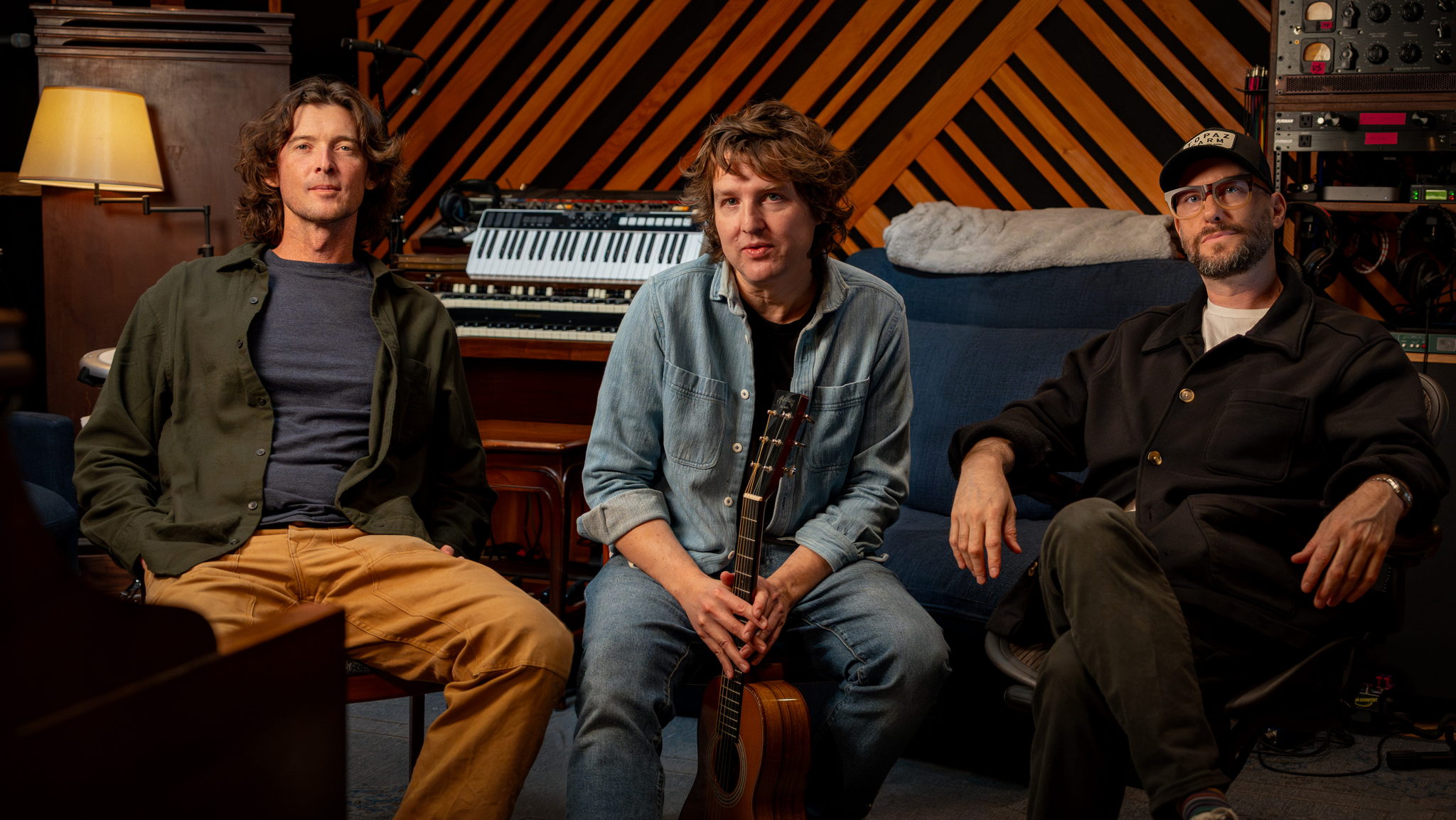
Pasadena, California, May 14, 2026 — On their latest album Lost Cause Lover Fool, Los Angeles folk duo The Milk Carton Kids present a sound that feels immediate, natural, and fully in the room. The record reflects their signature minimalist, performance-driven approach, with AEA ribbon microphones and TRP3 preamps helping capture a clear and natural sense of space at the source.

That recording approach became immediately apparent to Grammy-winning mastering engineer Kim Rosen, who, in a note to the band after mastering, highlighted the clarity and depth of the stereo image, particularly in how the drums translated. For Pattengale and Ryan, that feedback confirmed that their focus on room and stereo perspective carried through to the final stage.
Working alongside Pattengale and Ryan, recording engineer Jason Cupp approached each session as an exercise in capturing a complete musical picture, rather than isolating individual elements. “There’s a real symbiotic relationship between the way things sound and the way the song gets performed,” Cupp explains. “They really inform each other.”
With that in mind, the sessions were built around a setup where vocals and guitars could be recorded together, allowing each element to interact naturally within the space. Rather than constructing a sound after the fact, Cupp focused on how each microphone responded in relation to the others, making small adjustments to placement and balance to shape how each part sits within the performance. In many cases, the process was as simple as playing through a song a handful of times, with each pass allowing Cupp to refine the placement and balance until the image felt complete.

That process involved working with multiple microphones at once, carefully managing phase relationships so that the combined result felt cohesive. The goal was not to capture isolated sources, but to present a complete, dimensional picture of the performance, one that was discovered and refined rather than built from separate parts.
To achieve this, the team relied on AEA N22 and N28 ribbon microphones, with the N22 used on electric guitar, mandolin, and kick drum. The N28 was used to capture drums and guitar, creating a stereo image that felt immediate and physically present, as if the listener were in the room with the duo. “The microphones got us really close to the sound,” Pattengale explains, “and that’s when Jason could step in and take the record the rest of the way.”
During the early stages of the sessions, the signal chain included a mix of vintage equipment that began to introduce constant interruptions. Channels would need attention, noise would appear unexpectedly, and time that should have been spent playing music was instead spent troubleshooting.

“Every time we’d open up one of the channels, there’d be something else,” Pattengale recalls. “We’d just be like, ‘Oh God, we’re losing valuable time here.’”
At one point, Cupp suggested a simpler approach: remove the problem entirely. Pattengale reached out to AEA, and the next morning, twelve channels of TRP3 preamps arrived at the studio. The existing setup was quickly stripped back and replaced, eliminating the need for additional routing and workarounds.
“It was a really great and inspired choice of Jason’s, solving a problem but also making the record sound so much better,” Pattengale recalls.

In the end, the result is a record that feels simple on its surface, but is shaped by a series of deliberate choices at every stage of the process. For The Milk Carton Kids, that balance between complexity and clarity reflects not just how the album was recorded, but why they approach music the way they do.
“It’s about finding the simple beauty in things and presenting them in a way that feels alive,” Pattengale says.
Lost Cause Lover Fool is available now. To listen and learn more, visit https://www.themilkcartonkids.com/.
Photography by Tom Edwards
About AEA Ribbon Mics
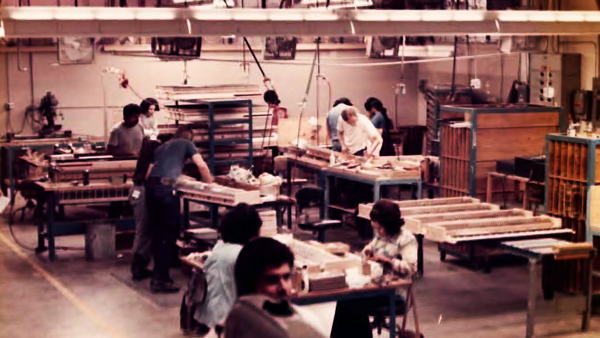
Founded in 1964, AEA began as a record label and mobile recording studio before expanding into microphone repairs and full-scale manufacturing. In 1998, AEA introduced the R44C — an evolution of the iconic RCA 44BX — and has since developed a full range of microphones and preamps inspired by classic designs and built to modern standards. With a commitment to ultra-low noise circuitry, musical sound, and expert craftsmanship, AEA continues to push ribbon technology forward while honoring its legacy. All AEA products are proudly handcrafted in Pasadena, California.
Learn more at aearibbonmics.com

Hunter Williams